
Glossary of Pool Terms
Skimmers, return jets, main drains, and more — a handy reference for understanding your pool's anatomy and the language your pool professional uses.
Know Your Pool
Understanding pool terminology helps you communicate effectively with your leak detection professional and make informed decisions about your pool's care.
Common Pool & Plumbing Terms
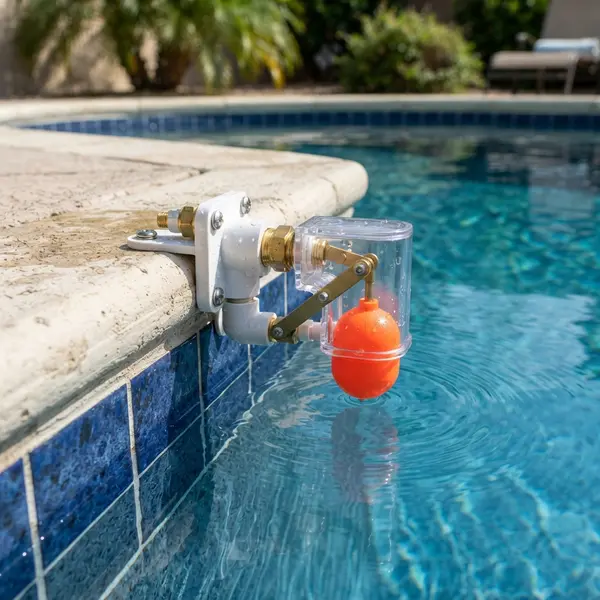
Auto-Fill — A device that automatically adds water to the pool when the level drops. While convenient, an auto-fill can mask a leak by constantly topping off the water.
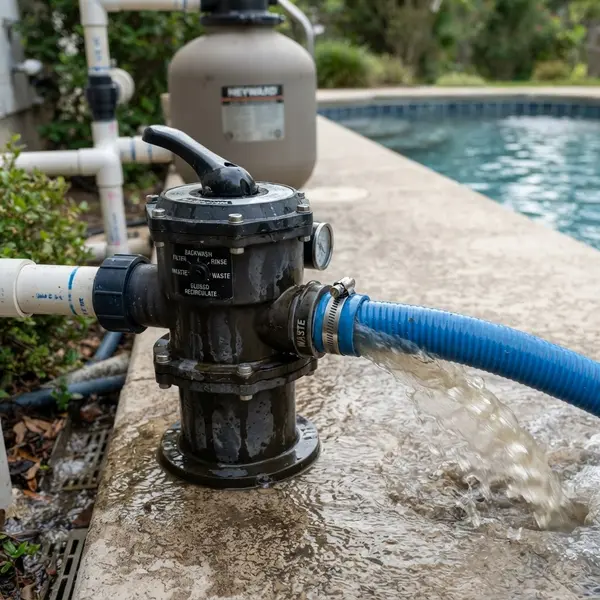
Backwash — The process of reversing water flow through the filter to flush out accumulated dirt and debris. Regular backwashing keeps the filtration system working efficiently.
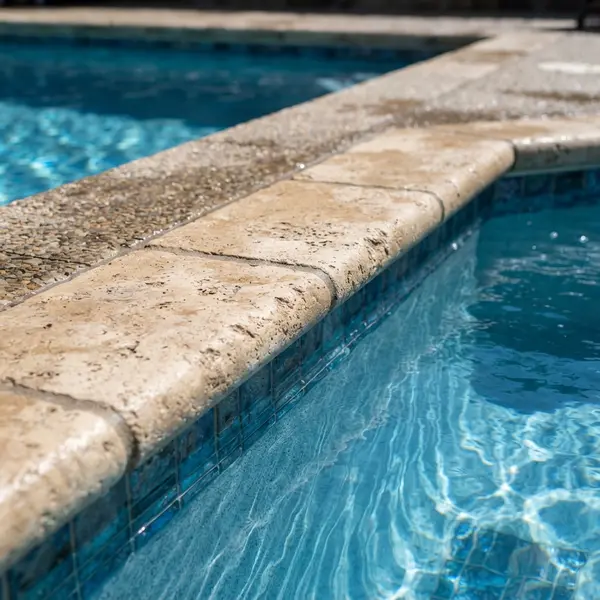
Coping — The cap or edging that covers the top of the pool shell where it meets the deck. Gaps or cracks in coping can allow water to seep behind the pool wall.
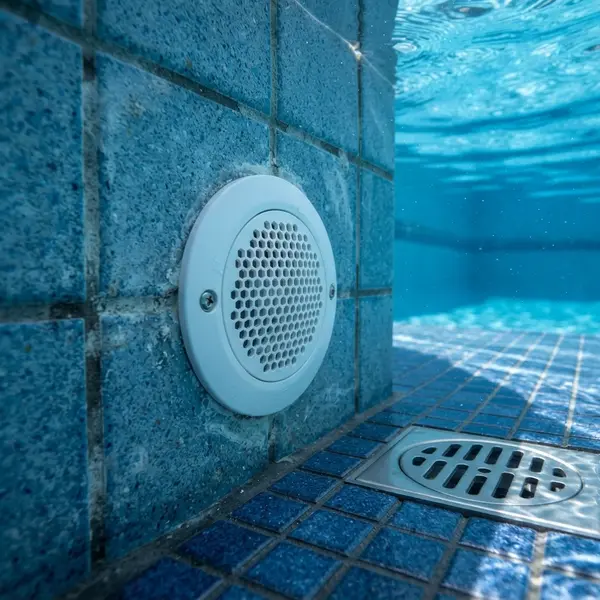
Equalizer Line — A plumbing connection that helps balance water flow between the main drain and skimmer, preventing the pump from running dry if the water level drops too low.
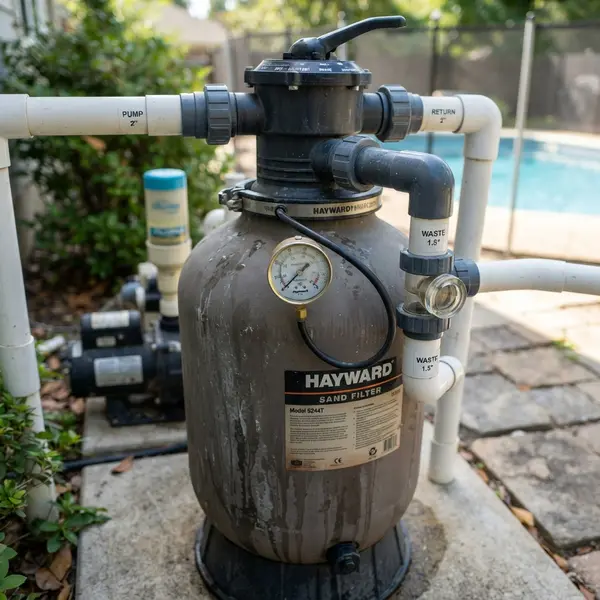
Filter — A device that removes dirt, debris, and small particles from the pool water. The three main types are sand, cartridge, and diatomaceous earth (DE) filters.
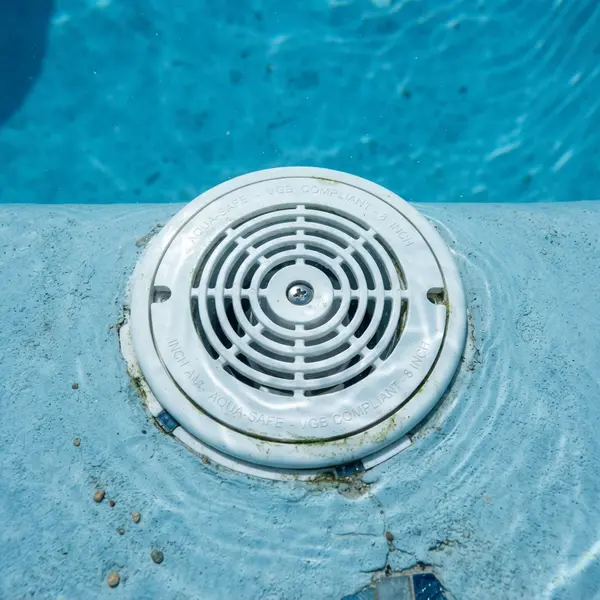
Main Drain — A suction outlet located at the deepest point of the pool. It draws water from the bottom into the pump and filtration system. Main drains are a common source of leaks.
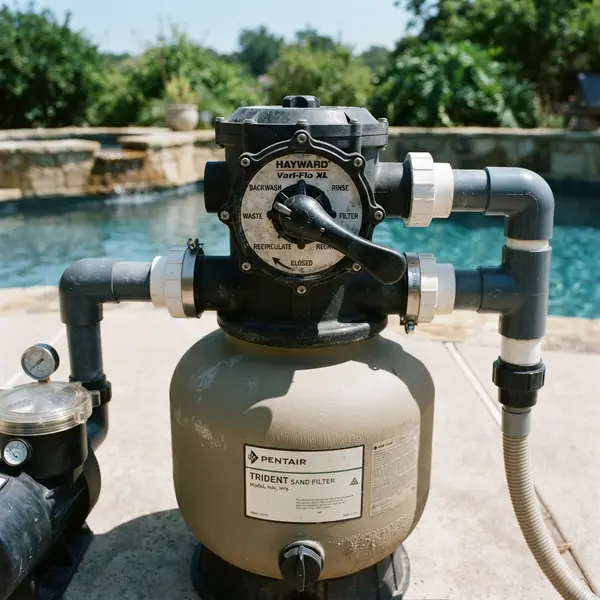
Multiport Valve — A valve on sand and DE filters that controls the direction of water flow — filter, backwash, rinse, waste, recirculate, or closed.
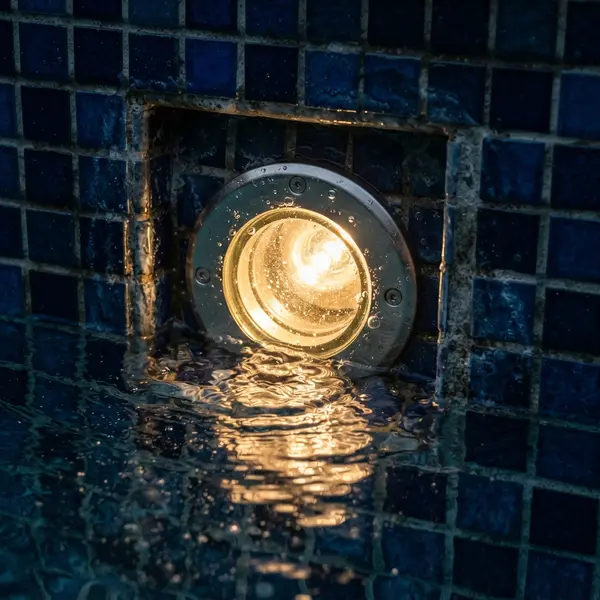
Light Niche — The waterproof housing embedded in the pool wall that holds the underwater light fixture. Light niches are a frequent source of leaks due to deteriorated conduit or seals.
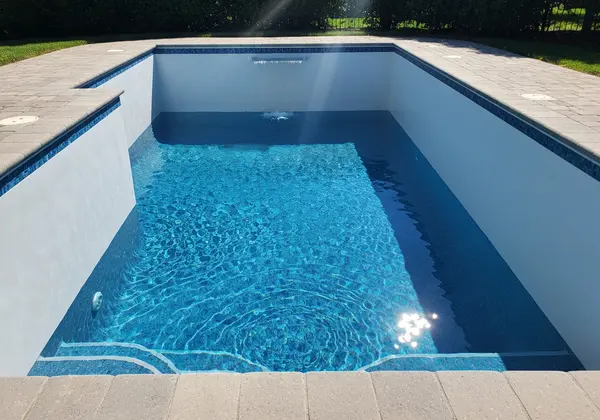
Pool Shell — The structural body of the pool, typically made of gunite (sprayed concrete), fiberglass, or vinyl. Cracks in the shell can cause water loss.
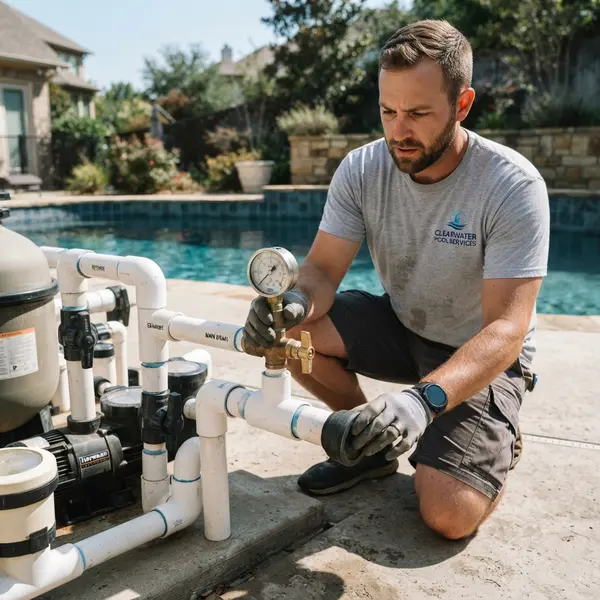
Pressure Test — A diagnostic method used by leak detection professionals to determine if plumbing lines are leaking. The system is pressurized and monitored for pressure loss.
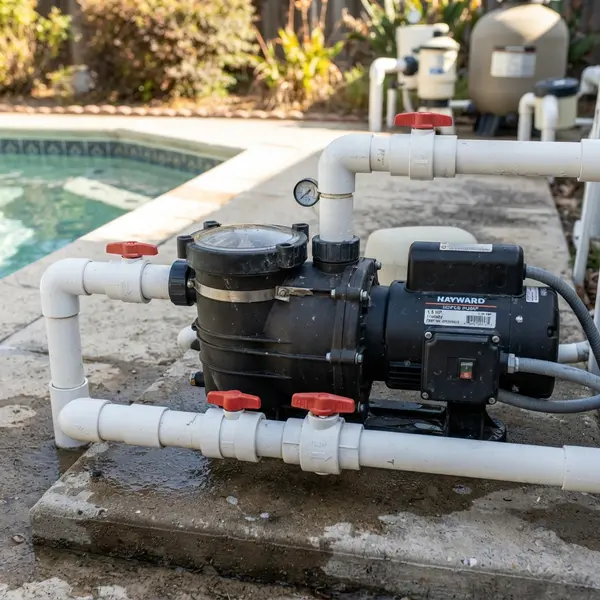
Pump — The heart of the pool's circulation system. The pump pulls water from the skimmer and main drain, pushes it through the filter, and returns it through the return jets.
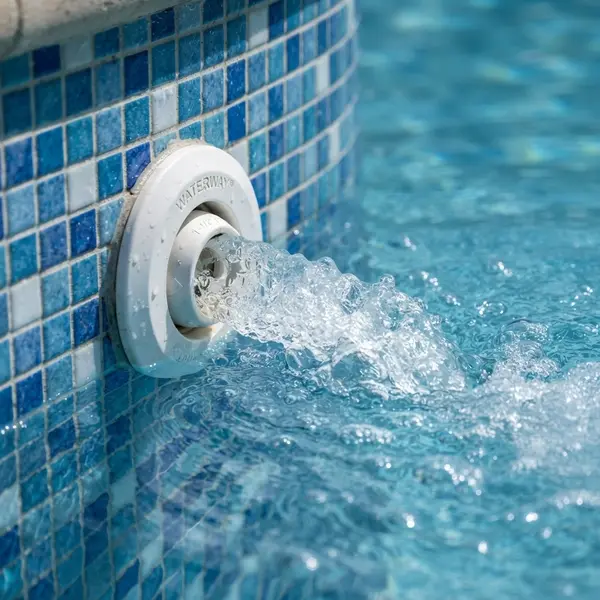
Return Jet — The nozzle on the pool wall that pushes filtered, treated water back into the pool. Return jets help circulate chemicals and keep the water clean and balanced.
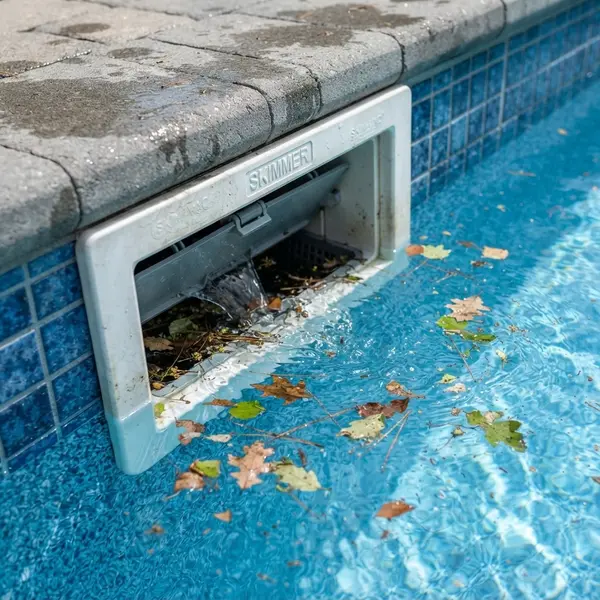
Skimmer — A rectangular opening on the side of the pool that draws surface water into the filtration system, capturing floating debris before it sinks. Most pools have one or two skimmers.
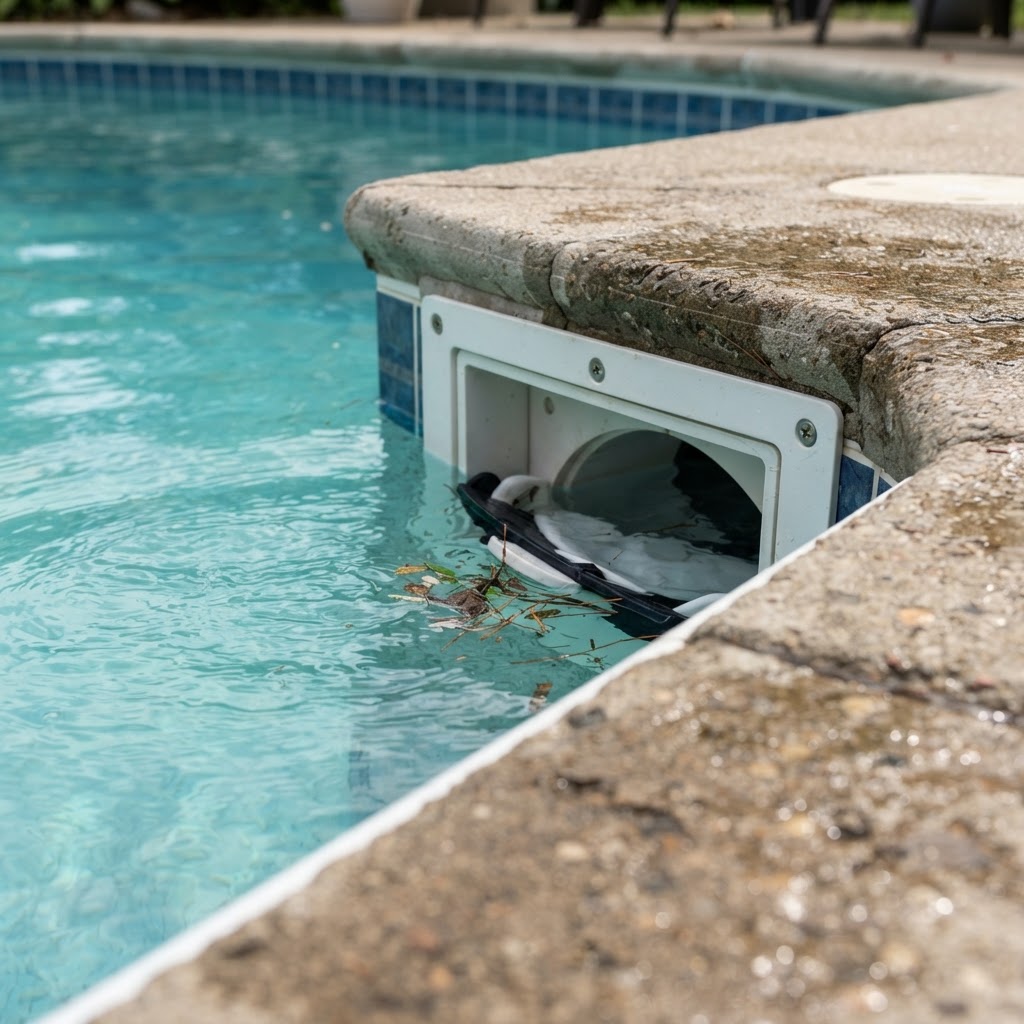
Skimmer Throat — The opening of the skimmer at the waterline where water enters. The skimmer throat can crack or separate from the pool deck, allowing water to escape.
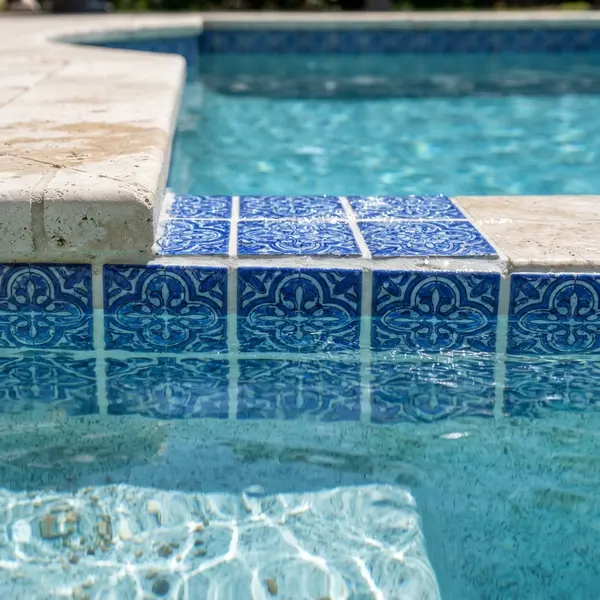
Tile Line — The row of decorative tiles at the waterline of the pool. Cracked or loose tiles can allow water to penetrate behind the pool shell, leading to leaks.
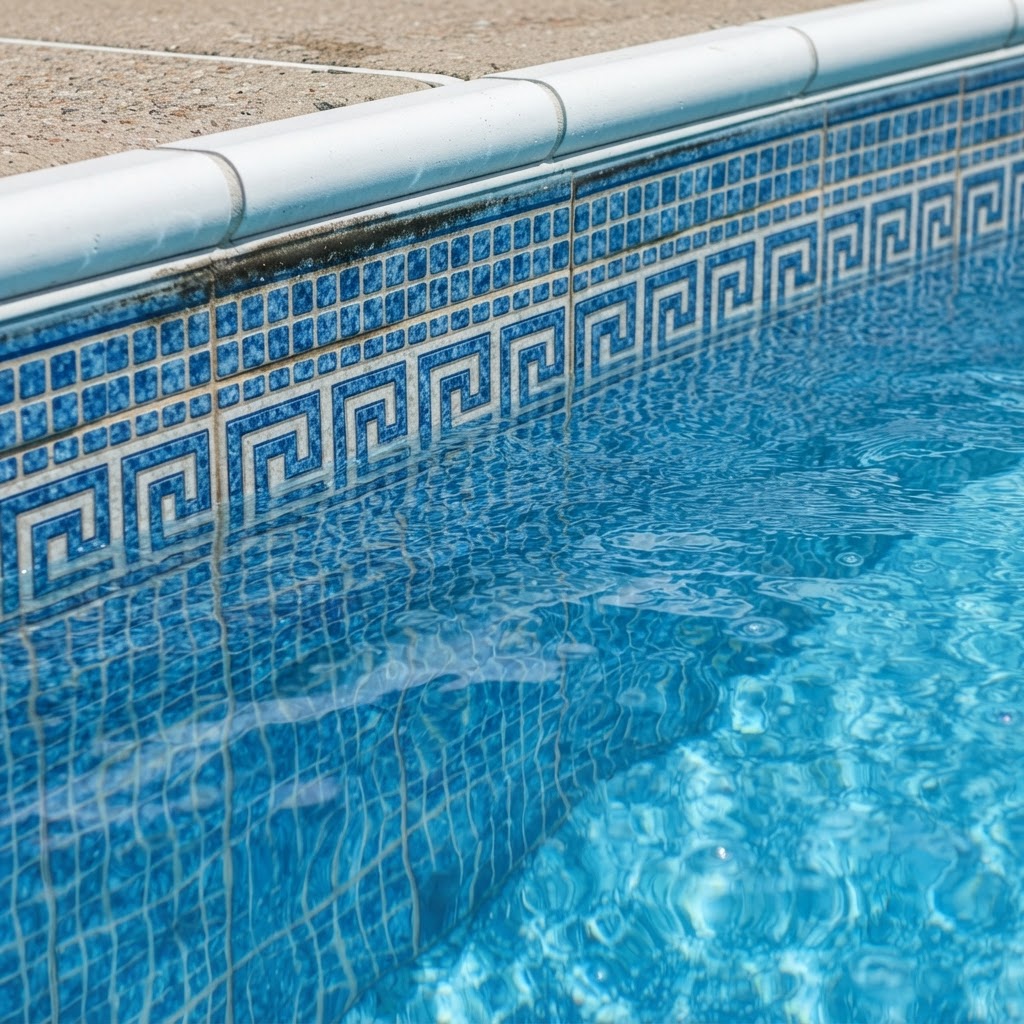
Vinyl Liner — A flexible waterproof membrane used in some pools instead of gunite or fiberglass. Liners can develop tears, punctures, or shrink over time, leading to leaks.
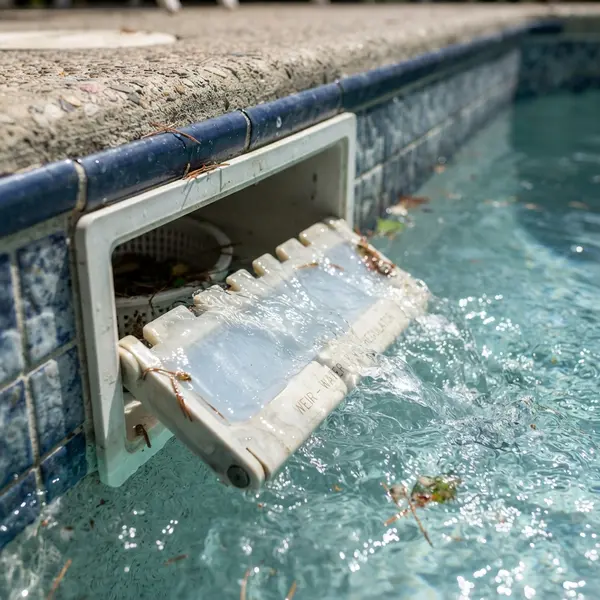
Weir — The small flapper door inside the skimmer that regulates water flow and prevents debris from floating back into the pool when the pump turns off.
Have Questions About Your Pool?
Our certified technicians can help you understand what's going on with your pool and locate any leaks. See how each part fits together in our pool systems & parts guide.
Schedule Your Professional InspectionRelated Resources
Keep learning about your pool with these helpful guides from Florida Leak Locators.
The 24-Hour Bucket Test
Find out if your pool is losing water from evaporation or an active leak with this simple DIY test.
Read MorePool Systems & Parts Guide
Learn about every part of your pool system and where leaks commonly develop.
Read MoreCommon Pool Leak Signs
Cracking tiles, wet spots, air in the pump — learn the warning signs every pool owner should know.
Read More
Losing Water in Your Pool?We Pinpoint & Fix Leaks Fast
Don't let hidden leaks raise your water bills or damage your pool. Call our Central Florida experts today for fast, reliable leak detection!